How to Plan a National Park Road Trip in the USA
Quick Answer: To plan a national park road trip in the USA, choose the parks you want to visit, map your driving route, and decide how long to stay. Check entrance fees, reservations, weather, and accommodation options before leaving. Prepare your car, pack food and water, and review park safety rules. A realistic schedule will give you enough time to explore without spending most of your vacation driving.
A national park road trip is a great way to explore America’s mountains, forests, lakes, and wildlife. Whether you’re traveling for a weekend or several weeks, choosing the right destinations and preparing for the drive can make your trip easier and more enjoyable.
Choose National Parks That Are Close Together
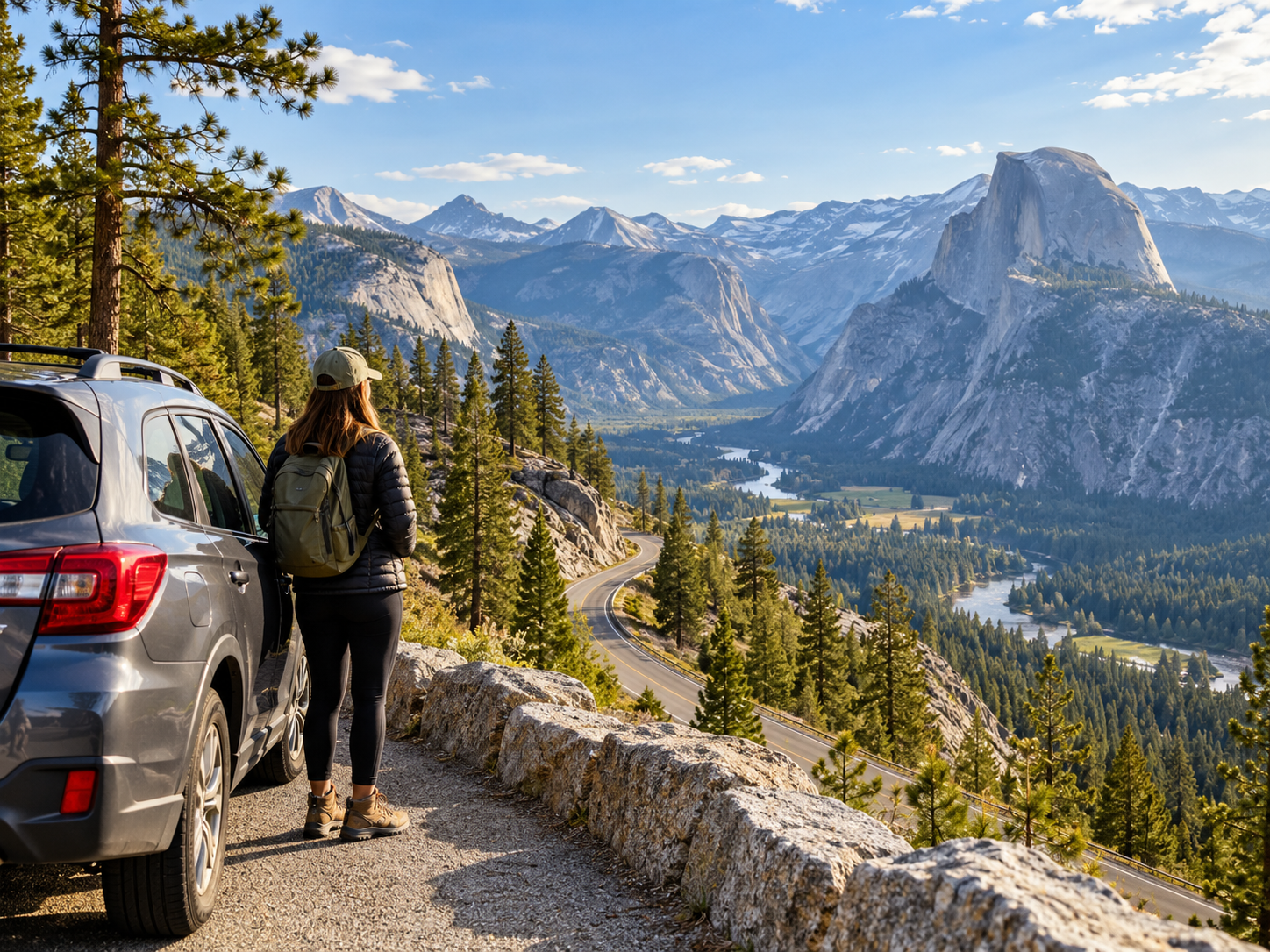
Start by choosing the national parks you want to visit. Yellowstone is known for its geysers and wildlife, while Yosemite offers waterfalls, forests, and large rock formations. Grand Teton is another popular destination for mountain views and outdoor activities.
For your first road trip, consider visiting two or three parks in the same region. Yellowstone and Grand Teton, for example, are close enough to explore during one vacation. This reduces driving time and gives you more opportunities to enjoy each destination.
Plan Your Driving Route
Use Google Maps or another navigation app to check the distance between parks. Look for nearby towns where you can stop for gas, food, and overnight stays. Keep in mind that mountain roads, traffic, and stops inside large parks can increase travel time.
Avoid planning long drives every day. Leave enough time for meals, rest stops, and sightseeing. A flexible schedule also helps when weather or road conditions change.
Check Entrance Fees and Reservations
Before leaving, visit the official National Park Service website to review entrance fees, reservation requirements, and park conditions. Some parks require advance bookings for campsites, special activities, or certain areas.
If you’re visiting several parks, compare individual entrance fees with the available national park passes. Check seasonal road closures and any permits needed for hiking or other activities.
Book Your Accommodation Early
Hotels, cabins, and campgrounds near popular national parks can fill up during summer and holidays. Booking early gives you more options and helps you choose accommodations within your budget.
Consider the distance between your accommodation and the park entrance. Staying farther away may cost less, but it can also add driving time. Check for parking, restaurants, and other services you may need during your stay.
Prepare Your Car and Home
Before your road trip, check your tires, brakes, engine oil, and other important fluids. Make sure your spare tire or repair kit is ready, and keep enough fuel in your vehicle when driving through remote areas.
If you’ll be away for several days, secure your home before leaving. Lock doors and windows, unplug unnecessary electronics, and ask someone you trust to check your property. Damaged windows or loose frames should be repaired before traveling. Homeowners researching Replacement Windows Muncie Indiana can explore options that improve window operation, comfort, and protection from bad weather.
Pack Essential Road Trip Supplies
Bring comfortable clothes, walking shoes, sunscreen, and clothing suitable for changing weather. Temperatures can vary throughout the day, especially in mountain areas.
Keep drinking water, snacks, medications, a first-aid kit, and phone chargers in your car. Download offline maps because mobile service may be unavailable in some parks. If you’re hiking, check trail conditions and bring enough supplies for the distance.
Follow Park Rules and Wildlife Safety Tips
National parks are home to animals such as deer, elk, bison, and bears. Watch wildlife from a safe distance, and never feed or approach animals for photographs. Follow the wildlife safety rules posted by each park.
Stay on marked trails, follow warning signs, and dispose of trash properly. These rules help protect natural areas and reduce risks for visitors.
Choose Activities That Fit Your Trip
National parks offer more than difficult hiking trails. Many have scenic drives, short walks, picnic areas, and viewpoints that are easy to reach. You can enjoy beautiful landscapes without planning a full day of outdoor activities.
Choose activities based on your interests, available time, and physical ability. Allow time for scenic stops and breaks rather than filling every hour with scheduled activities.
Check the Best Season to Visit
The best time to visit depends on the park. Summer often brings longer daylight hours and better access to seasonal roads, but popular destinations may be crowded. Spring and fall can offer cooler temperatures and fewer visitors in some areas.
Winter travel requires extra care because snow and ice may close roads, trails, and facilities. Check official park conditions and weather forecasts before departure.
Final Thoughts
Planning a national park road trip is easier when you choose nearby destinations, prepare your vehicle, and check park requirements in advance. Booking accommodations and packing essential supplies can also help you avoid common travel problems.
With a realistic route and enough time at each stop, you can enjoy the mountains, forests, and wildlife that make America’s national parks worth visiting.…